

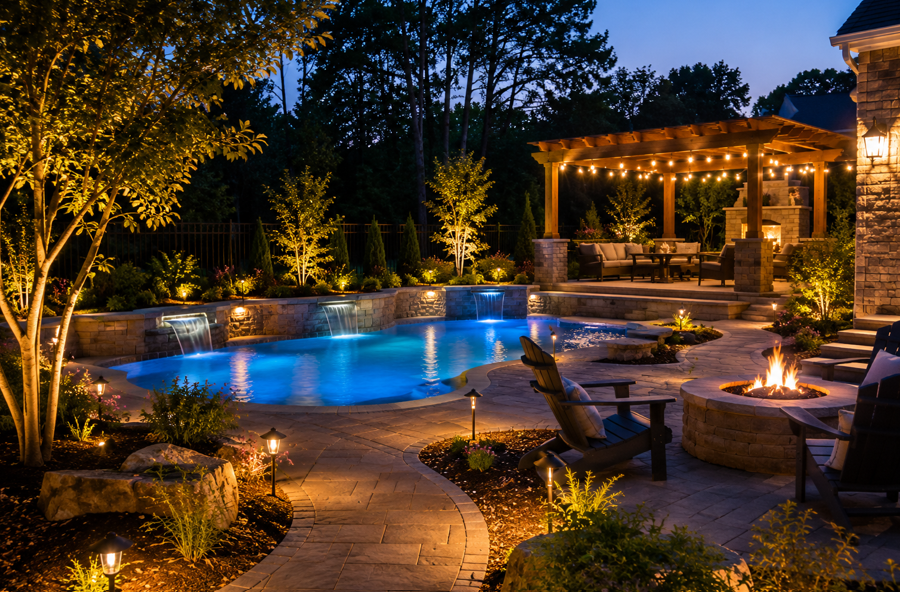
Turn Your Outdoor Space into a Place You Can Enjoy after Sunset
A backyard can feel completely different once the sun goes down. Without thoughtful lighting, patios, walkways, seating areas, and pool surroundings may disappear into darkness. With the right fixtures and placement, those same spaces can become welcoming extensions of the home.
Outdoor lighting does more than make a yard brighter. It can help guests move around more confidently, draw attention to landscaping, define gathering areas, and create the right atmosphere for quiet evenings or weekend entertaining.
At The Home Center, homeowners can explore coordinated lighting and design options with guidance from experienced professionals. That support can be valuable when choosing fixtures that need to complement the home’s architecture, landscaping, patio finishes, and the way the backyard is used.
For homeowners in Fuquay-Varina, outdoor lighting also needs to suit warm summer evenings, frequent outdoor gatherings, changing weather, and areas exposed to moisture. A successful plan usually combines several light sources instead of relying on one bright fixture.
This guide covers practical lighting ideas for:
Patios and outdoor dining areas
Pool decks and nearby walkways
Steps and changes in elevation
Trees, shrubs, and garden features
Outdoor kitchens and grilling areas
Pergolas, porches, and seating zones
Fences, walls, and architectural details
Begin with the Way You Use the Backyard
Before choosing fixtures, think about what happens in the space after dark. Lighting works best when it supports real activities rather than being added only for decoration.
A backyard used mainly for family dinners needs a different plan from one centered around a pool, firepit, garden, or outdoor kitchen.
Ask a few practical questions:
Where do people enter and leave the backyard?
Which paths are used most often?
Are there steps, slopes, or uneven surfaces?
Where do guests sit, eat, cook, or gather?
Which landscape features deserve attention?
Are there areas where light could shine into windows?
Which fixtures need to operate every night?
Which lights are mainly for entertaining?
Divide the yard into zones. Common zones include an entry path, patio, pool area, dining space, grill station, garden, and property edge.
Once each zone has a purpose, it becomes easier to choose the correct fixture and brightness. This also helps prevent overlighting, which can make the backyard feel harsh and reduce the atmosphere you are trying to create.
Use Layers instead of One Bright Light
Indoor rooms usually use several types of lighting, and outdoor areas benefit from the same approach.
A layered plan generally combines ambient, task, and accent lighting.
Ambient Lighting
Ambient lighting provides broad, general illumination. It helps people understand the shape of the space and move between different zones.
Outdoor ambient lighting may come from:
Covered porch fixtures
Wall-mounted lanterns
Post lights
Pergola pendants
String lights
Overhead fixtures in roofed areas
Ambient light should make the space usable without overwhelming it.
Task Lighting
Task lighting supports a specific activity. It is especially useful around outdoor kitchens, grills, serving counters, stairs, gates, and dining tables.
A focused task fixture can provide clear visibility where it is needed while allowing nearby seating areas to remain softer.
Accent Lighting
Accent lighting highlights landscaping, architecture, water features, or outdoor artwork. It adds depth and prevents the yard from looking like one flat, evenly lit surface.
Examples include:
Uplighting a mature tree
Grazing light across stonework
Illuminating a fountain
Highlighting shrubs
Washing a fence or garden wall with soft light
The goal is balance. Ambient light creates usability, task light supports activities, and accent light adds character.
Create a Welcoming Patio with Warm, Comfortable Light
The patio is often the center of backyard activity. It may serve as a dining room, conversation area, play space, or a place to relax after work.
Wall-Mounted Fixtures
Exterior wall fixtures can provide dependable light near doors, seating areas, and the edges of a patio. Choose a scale that suits the wall and nearby architecture.
Fixtures that are too small may disappear visually, while oversized lights can dominate the area. Consider the height of the wall, door dimensions, ceiling line, and viewing distance.
Pendants over Covered Patios
A pendant or chandelier can make a covered patio feel more like a finished room. It works especially well above a dining table or central seating arrangement.
The fixture should be rated for the level of outdoor exposure it will receive. A covered location may still experience humidity, wind-driven rain, or temperature changes.
String Lights for Flexible Atmosphere
String lights can create a relaxed, festive feeling across a patio, pergola, or lawn seating area. They are especially effective when arranged in clean, intentional lines.
Avoid hanging them randomly or allowing cords to sag across walking routes. A structured layout feels more polished and provides more consistent illumination.
Portable and Decorative Lights
Battery-powered table lamps, rechargeable lanterns, and decorative outdoor lights can add flexibility. They work well on dining tables, side tables, and temporary gathering areas.
Use these as supporting light rather than the only source of illumination around steps, walkways, or cooking zones.
Light Pool Areas without Creating Harsh Glare
Pool lighting requires careful planning because water reflects light. A fixture that looks comfortable on a patio may create distracting glare when reflected across the pool surface.
The goal is to make the surrounding area visible while preserving a calm, enjoyable atmosphere.
Illuminate the Pool Perimeter
Lighting around the pool deck can define the edge of the space and support movement between the house, seating areas, and pool access points.
Possible fixture locations include:
Along nearby walls
Beside walkways
Near gates
Around landscaping beyond the deck
At transitions between the pool area and patio
Near steps or raised sections
Avoid directing intense light straight across the water or toward seated guests.
Use Indirect Light Where Possible
Indirect lighting often feels more comfortable near a pool. Instead of aiming every fixture toward the deck, illuminate surrounding trees, walls, and landscaping.
The reflected light can make the area easier to understand without creating a floodlit appearance.
Highlight Landscaping beyond the Pool
Lighting a tree, hedge, or garden wall beyond the pool creates a visual destination. It gives people something attractive to see across the water and makes the yard feel deeper.
This approach can be more inviting than concentrating all lighting along the immediate pool edge.
Keep Electrical Safety Central
Pool areas require fixtures, controls, transformers, and electrical work suited to the installation location. Equipment near water needs to follow applicable product instructions and local electrical requirements.
A qualified professional should assess fixture placement, wiring, grounding, controls, and required clearances. Decorative appeal should never take priority over the correct installation method.
Make Walkways, Steps, and Changes in Level Easier to See
A backyard may include narrow paths, deck stairs, retaining walls, changes in paving, or transitions between the patio and lawn. These areas deserve dedicated lighting.
Path Lights
Path lights can guide people through gardens and between outdoor zones. Space them according to the fixture’s light pattern rather than creating a rigid row.
Alternating fixtures from side to side often produces a more natural look. Avoid placing them so close together that the walkway resembles a runway.
Step Lights
Integrated step lights can illuminate stair treads without shining directly into the eyes. They may be installed in risers, nearby walls, posts, or railings.
Each step does not always need its own fixture if the full stair run remains clearly visible. Fixture spacing depends on the design, surface color, and available surrounding light.
Hardscape Lighting
Lights built into retaining walls, seat walls, and masonry features can provide subtle guidance. They work especially well where freestanding path lights could interfere with mowing, planting, or foot traffic.
Gate and Entry Lighting
Back gates and side-yard entries need enough light for locks, latches, and changes in the walking surface. A small wall light or carefully positioned fixture can make the transition more comfortable.
Motion activation may be helpful in side yards or service areas where continuous lighting is not necessary.
Add Functional Lighting to Outdoor Kitchens and Grill Stations
Outdoor cooking areas need more than decorative light. The person preparing food needs clear visibility across grills, countertops, sinks, and serving areas.
Homeowners can explore home lighting options when planning fixtures that coordinate indoor and outdoor entertaining spaces.
Light the Work Surface
Position task lights so the cook does not cast a shadow over the counter or grill. A fixture placed only behind the person may make the work surface harder to see.
Useful locations may include:
Under cabinets
Above counters
Inside a covered structure
On nearby walls
Along the edge of a pergola
Avoid Excessive Brightness
Bright task lighting is valuable at the grill, but it does not need to spill across the entire patio. Keep stronger light focused on preparation areas and use softer fixtures around dining and seating zones.
Coordinate with the Indoor Kitchen
When an outdoor kitchen is visible through doors or windows, coordinating fixture finishes and color temperature can create a smoother connection between the spaces.
The fixtures do not need to match exactly. Repeating a metal finish, shape, or design detail is often enough.
Highlight Trees, Shrubs, and Garden Features
Landscape lighting can transform an ordinary yard by adding depth and contrast.
Uplight Mature Trees
A fixture placed near the base of a tree can emphasize the trunk and canopy. The beam angle and distance from the tree determine whether the effect is narrow and dramatic or broad and gentle.
Use restraint. Lighting every tree equally can make the yard feel busy and remove the sense of depth.
Downlight from Suitable Locations
Downlighting can create a soft effect similar to moonlight when fixtures are positioned carefully above the ground.
This approach may work from selected trees, structures, or architectural points. Installation needs to account for maintenance access, tree growth, wiring, and fixture stability.
Graze Textured Surfaces
Placing a light close to a stone wall, brick surface, or textured fence can emphasize shadows and material variation. This technique is often called grazing.
It can work beautifully on retaining walls, outdoor fireplaces, stone columns, and masonry around a pool.
Silhouette a Favorite Plant
Place a fixture behind a distinctive plant and aim the light toward a wall or fence. The plant appears as a dark outline against the illuminated background.
Ornamental grasses, sculptural shrubs, and small trees can create especially attractive silhouettes.
Illuminate Water Features
A fountain or small waterfall can become an evening focal point when lit from the side, below, or behind. Consider how moving water will reflect light before deciding on brightness and angle.
Fixtures used near or within water need to be designed and installed for that specific application.
Use Pergolas and Porches to Support Decorative Fixtures
Pergolas, covered porches, and pavilions provide useful mounting points for outdoor lighting.
Pergola Pendants
A pendant can anchor a dining or seating arrangement beneath a pergola. Choose a fixture that fits the structure’s scale and allows enough clearance below.
Integrated Downlights
Small downlights can be incorporated into beams or ceiling surfaces to provide clean, focused illumination.
Use them selectively. Too many overhead lights can create strong shadows and make the space feel more commercial than residential.
Fans with Integrated Lighting
An outdoor-rated ceiling fan with a light may provide airflow and general illumination in one fixture. Consider the ceiling height, blade clearance, exposure rating, and amount of light provided.
Post and Beam Lighting
Compact fixtures attached to posts or beams can illuminate walkways, seating edges, and stairs without relying on a central overhead light.
Choose a Color Temperature That Supports the Mood
The color of the light affects how the backyard feels.
Warmer light usually creates a relaxed, welcoming atmosphere around patios, dining spaces, gardens, and traditional architecture. Cooler light may feel crisper and can be useful for selected task areas, although it may appear harsh when used broadly across a residential landscape.
Consistency matters. Mixing several noticeably different light colors within one view can make the space feel disconnected.
A practical plan may use:
Warm light for seating and dining areas
Warm or neutral light for landscaping
Clear task light at grills and counters
Coordinated light colors along connected walkways
View samples when possible. Fixture finishes, landscaping colors, stone, brick, and water can all look different under artificial light.
Control Brightness with Dimmers, Timers, and Zones
Outdoor lighting does not need to operate at full brightness all evening.
Dimmers
Dimmers allow a covered patio or dining area to shift from task lighting during meal preparation to softer light during conversation.
Use fixtures and controls designed to work together.
Timers
Timers can turn selected fixtures on at sunset and off later in the evening. This helps maintain a consistent routine without leaving every light on overnight.
Motion Sensors
Motion sensors may suit side yards, gates, service paths, and less frequently used areas. They can provide light when someone approaches without keeping the space continuously illuminated.
Separate Lighting Zones
Divide the system into zones so the patio, pool surroundings, landscape accents, and side paths can operate independently.
For example, the family may use patio and walkway lights every evening but save pool and landscape lighting for weekends or gatherings.
Separate controls also make it easier to adjust the atmosphere.
Select Fixtures Designed for Their Exposure
Outdoor fixtures need to match the conditions they will face. A product used on a protected porch may not be appropriate beside a pool, in an uncovered garden, or where water can reach it directly.
When reviewing a fixture, consider:
Whether the location is covered or fully exposed
Rain and irrigation
Humidity
Proximity to a pool or water feature
Direct sunlight
Temperature changes
Wind
Corrosion risk
Mounting surface
Maintenance access
Fuquay-Varina’s warm, humid summers make product suitability and installation quality particularly important. Choose fixtures and components intended for outdoor use and follow the manufacturer’s instructions.
Fixture finish also matters. Some finishes change naturally over time, while others may show wear more quickly in exposed locations.
Avoid Common Outdoor Lighting Mistakes
A few planning errors can reduce comfort and visual appeal.
Relying on One Floodlight
A single bright fixture may illuminate a large area, but it often creates glare, deep shadows, and a flat appearance. Several lower-intensity fixtures usually provide better balance.
Placing Fixtures Directly in Sightlines
Consider where people sit, stand, and look across the yard. A visible bulb or intense beam can become uncomfortable, especially beside reflective water.
Lighting Every Feature Equally
If every tree, wall, path, and plant has the same brightness, nothing becomes a focal point. Select the most important features and allow some darker areas to remain.
Forgetting the View from Indoors
Look through kitchen, dining, living room, and bedroom windows before finalizing fixture placement. Outdoor lighting may be visible from inside for many hours.
Ignoring Growth and Maintenance
Plants grow, branches move, and landscaping changes. Fixtures may need adjustment over time to prevent blocked beams or glare.
Place fixtures where they can be reached for cleaning, repositioning, and replacement.
Mixing Unrelated Fixture Styles
A backyard can contain several fixture types without looking inconsistent. Repeat one or two connecting details, such as finish, shape, glass style, or color temperature.
Choosing Appearance without Checking Suitability
A beautiful fixture will not provide lasting value if it is not approved for the intended exposure. Confirm the rating and installation requirements before purchasing.
Build an Outdoor Lighting Plan in Practical Stages
A complete backyard plan does not always need to be installed at once. It can be organized into stages based on safety, function, and visual impact.
Stage One: Essential Movement Areas
Begin with:
Doors
Steps
Main paths
Gates
Changes in elevation
Routes between the house and pool
Stage Two: Activity Areas
Add lighting for:
Dining tables
Grills
Outdoor kitchens
Seating areas
Pool access
Serving counters
Stage Three: Landscape and Atmosphere
Complete the design with:
Tree uplighting
Garden accents
Wall grazing
Water-feature lighting
Pergola details
Decorative lanterns
Planning the complete system before installing the first stage can make future additions easier. It allows wiring, transformer capacity, controls, and fixture locations to support the final vision.
Create an Outdoor Space That Feels Finished after Dark
The most effective backyard lighting plans combine function, atmosphere, and thoughtful placement. Path lights support movement, task lights help with cooking and serving, and landscape fixtures create depth beyond the patio or pool.
Fuquay-Varina homeowners do not need to illuminate every corner. A few well-chosen focal points can make the yard feel larger, more welcoming, and more connected to the home.
Begin with the routes and activities that matter most. Then add layers through wall fixtures, pendants, step lights, landscape accents, and carefully controlled pool-area lighting. Selecting suitable outdoor fixtures and using qualified installation support can help the finished system perform as intended.
The Home Center serves homeowners and builders in Fuquay-Varina, Holly Springs, and Apex with lighting selection and experienced design guidance. The Holly Springs showroom currently operates by appointment, with access focused on new-construction appointments, so call ahead before planning a visit.
Ready to plan lighting for your backyard, patio, or pool area? We are here to help you choose fixtures and arrange an appointment with The Home Center.


