

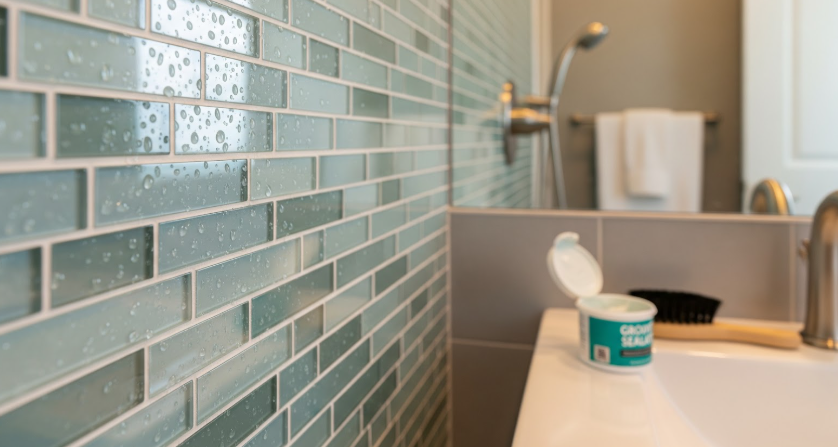
Why Grout Care Matters in Humid Carolina Bathrooms
North Carolina’s warm, moisture-heavy climate creates the perfect environment for persistent bathroom humidity. Even with decent ventilation, steam has a way of settling into grout lines, dimming their colour and making mildew more likely to appear. Homeowners quickly notice that grout doesn’t just affect how a bathroom functions—it shapes how fresh and welcoming the entire space feels. Clean, bright grout can make a bathroom appear larger and lighter, while dull grout can age a room fast.
Daily humidity from showers, long summers, and limited airflow puts extra strain on grout around glass tile, especially because its reflective surface makes discoloration more noticeable. Every Carolina homeowner wants their bathroom to stay crisp and inviting, but that only happens when grout receives consistent care.
This guide offers practical, easy-to-follow routines to help keep your grout looking its best year-round. Many homeowners appreciate having a trusted local resource, and places like The Home Center make it easier to understand the right materials and strategies for long-term maintenance. With the right habits, you can protect your tile investment, maintain healthier air quality, and reduce the risk of preventable repairs down the road.
Understanding How Humidity Impacts Glass Tile Grout
Why Carolina Bathrooms Experience Persistent Moisture
Humidity is simply part of life in North Carolina. Long, warm seasons mean moisture lingers in the air, and bathrooms become hotspots for trapped steam. Many homes—especially older builds—lack strong ventilation, which allows condensation to settle into porous grout lines. This makes the bathroom feel damp long after a shower and creates the perfect environment for mildew to grow. Homeowners see this in corners, lines, and crevices where moisture naturally collects.
How Moisture Affects Different Grout Types
Grout formulas respond differently to humidity. Epoxy grout, for example, is more resistant to moisture but can still lose shine when exposed to soap film. Unsanded grout, which is often used with glass tile, is smoother and more delicate. Although it offers a polished look, unsanded grout can absorb moisture more easily. Urethane grout strikes a balance between durability and flexibility, making it a common choice for high-humidity areas, but it still benefits from regular care. When humidity stays high throughout the year, each grout type faces the same challenge: moisture exposure that slowly weakens its appearance and structure.
Why Proper Care Protects Your Tile’s Shine
Glass tile naturally reflects light, which is part of what makes it a beautiful choice for showers and bathroom walls. But that reflective surface also highlights grout lines—good or bad. When grout darkens, stains, or shows buildup, it draws the eye immediately. Proper care keeps grout smooth, clean, and well-sealed, helping your glass tile retain its bright, glossy effect. It also supports the longevity of the whole installation, reducing the chance of moisture seeping behind tiles or causing structural problems over time.
Daily and Weekly Cleaning Routines for Long-Lasting Grout
Gentle Cleaning You Can Do Every Day
Simple habits make a big difference in preventing grout discoloration. After showering, quickly wipe down tile walls with a soft cloth to remove lingering moisture. Natural airflow helps too—if you can, open a window or leave the bathroom door open so the humidity can escape. Mild, pH-neutral cleaners are ideal for everyday use, since they keep grout clean without wearing down the surface over time. These small steps dramatically slow the buildup of soap residue and mineral deposits.
Weekly Routines That Keep Grout Looking Fresh
Once a week, give grout a slightly deeper clean. Use a gentle bathroom-safe cleaner and a soft brush to lift any hidden residue from the surface of the grout lines. Pay extra attention to corners and lower tile sections where water tends to settle. Rinse thoroughly with warm water to remove any leftover cleaning solution. By keeping up with these weekly routines, homeowners can prevent early discoloration and maintain a crisp look that complements the shine of glass tile.
Common Mistakes to Avoid
It’s easy to assume stronger products will clean grout faster, but harsh chemicals are rarely the right choice. Chlorine bleach, heavy-duty acidic cleaners, and abrasive scrubbers can strip the surface of grout and weaken its integrity. They can also dull the finish of glass tile. Over time, these products lead to pitting, uneven texture, and faster staining. Choosing gentle cleaning tools and mild solutions is the best way to protect both grout and tile from premature aging.
Deep Cleaning Methods for Tough Bathroom Grout Build-Up
When to Deep Clean
Even with steady maintenance, Carolina humidity can cause occasional buildup. You’ll know it’s time for a deeper cleaning when grout starts to discolor, small areas of mildew appear, or the texture feels slightly rough. Deep cleaning doesn’t need to be frequent—every few months is typically enough—but addressing buildup early prevents long-term staining.
Safe Cleaning Solutions for Glass Tile Grout
Not all grout cleaners are compatible with glass tile, so it’s important to stick to gentle, non-abrasive options. Oxygen-based cleaners are effective at lifting stains without causing damage. A mix of warm water and baking soda can also help brighten grout naturally. For tougher spots, a mild hydrogen peroxide solution works well, as long as it’s applied sparingly. Always avoid anything gritty or acidic, since these can scratch the tile surface.
Step-by-Step Deep Cleaning Technique
Start by rinsing the tile with warm water to remove loose buildup. Apply your chosen gentle cleaner and let it sit for a few minutes so it can loosen dirt and residue. Use a soft-bristled brush to scrub grout lines in small, controlled motions. Rinse thoroughly and wipe away excess moisture. For stubborn areas, repeat the process, being mindful not to over-scrub. A clean, even finish is your goal—not aggressive force.
Preventing Mildew and Stains in Humid Bathrooms
Improving Ventilation in Carolina Homes
Good ventilation makes the biggest difference in preventing mildew. If your bathroom has a fan, run it during and after every shower to keep moisture moving. When possible, open a window to let fresh air circulate. Keeping the bathroom door open helps too. In homes where moisture tends to linger longer, a small dehumidifier can keep humidity levels steady and protect grout from excess moisture.
Protective Sealants and When to Apply Them
Sealing grout adds a layer of defence against moisture absorption. Sealants fill tiny pores in grout, making it more resistant to stains and mildew. Homeowners should usually reseal grout every year or so depending on bathroom usage. Clear, penetrating sealers work best for glass tile since they preserve the grout’s smooth look. Applying sealant regularly keeps grout protected and helps reduce aggressive cleaning in the future.
Daily Habits That Make a Big Difference
A few easy habits help maintain a fresh, bright bathroom. Keep shower curtains or doors open after bathing to allow surfaces to dry. Use liquid soap instead of bar soap to reduce residue. Hang towels and bath mats where they can dry quickly. These simple changes reduce moisture levels and keep grout lines pleasant, clean, and less prone to staining.
When to Call a Professional for Grout Restoration
Recognising When Maintenance Isn’t Enough
Sometimes grout problems go beyond surface cleaning. If you notice cracking, crumbling, or recurring mildew that returns soon after cleaning, it may indicate moisture has penetrated deeper into the grout structure. Water behind tiles is never something to ignore—addressing it early can prevent more serious issues later on.
What Professionals Can Help With
Professionals can remove damaged grout, repair underlying issues, reseal surfaces, and restore the appearance of your bathroom. They also diagnose moisture problems that aren’t always visible, such as leaks or inadequate ventilation. Having an expert evaluate the condition of your grout gives you peace of mind and ensures the problem is fully treated.
Benefits of Expert Support
A professional brings experience, precision, and a long-term approach to grout restoration. They work with the right tools and materials to achieve durable, even results. Homeowners appreciate the reassurance that comes from knowing the job is done correctly and that their tile investment remains protected.
Keep Your Bathroom Looking Its Best All Year
Grout maintenance is one of the easiest ways to keep your bathroom feeling fresh, bright, and welcoming—even with Carolina’s humid climate. Regular care helps preserve the beauty of glass tile, protects against moisture damage, and extends the life of your installation. If you’re considering new tile or want to explore more material options, browsing glass tile flooring options can help you find styles that work beautifully in local homes:
Glass Tile
With steady routines and the right products, homeowners can enjoy cleaner grout and a healthier bathroom environment. When you want expert guidance or need help with a more advanced issue, you can always get in touch for support from a knowledgeable local team ready to help you keep your home looking its best.


